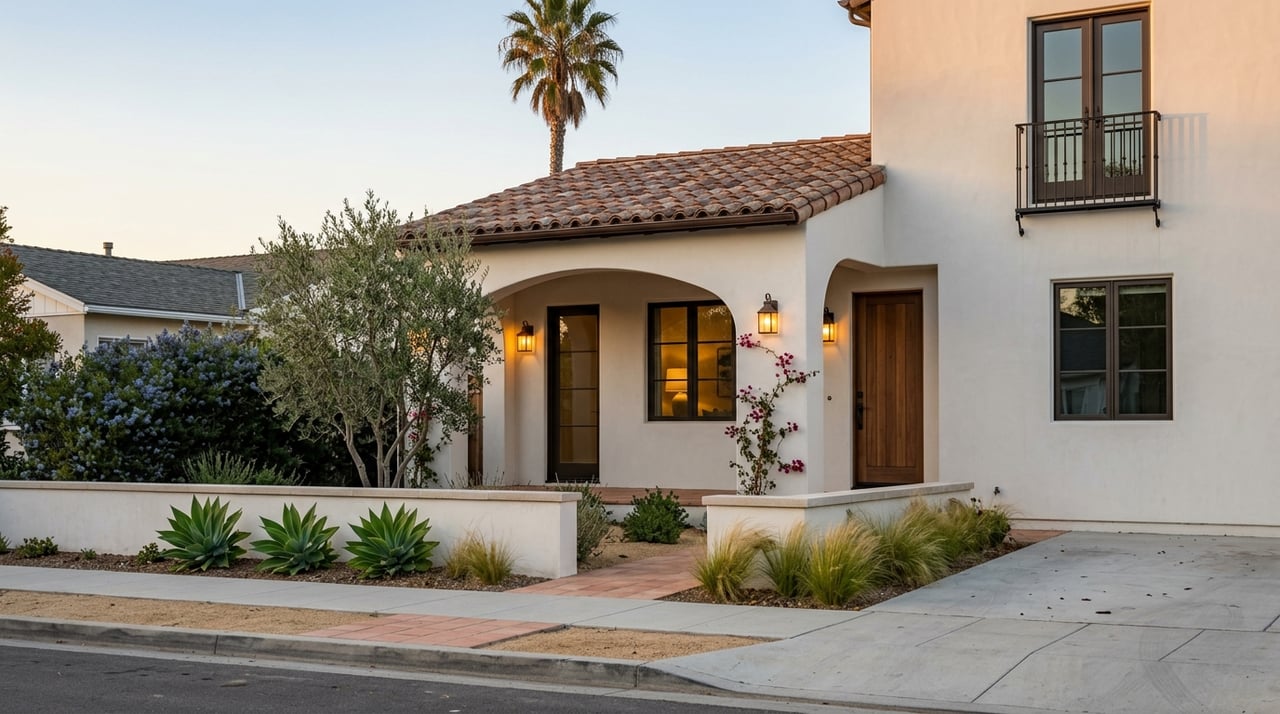
Ever wonder why one Los Angeles home feels warm and tucked around a courtyard while another opens up with walls of glass and a patio that blurs the line between inside and out? In LA, architectural style does more than shape curb appeal. It often hints at how a home lives, what upkeep it may need, and how buyers may respond to it over time. If you are trying to buy, sell, or simply understand the local market better, this guide will help you read the design language of Los Angeles homes with more confidence. Let’s dive in.
Why architectural style matters in Los Angeles
Los Angeles has one of the richest residential design mixes in the country. City preservation and planning documents treat architectural style as a key way to identify and evaluate homes across the city, with recognized styles ranging from Craftsman and Spanish Colonial Revival to Mid-Century Modern, Ranch, Contemporary, Tudor Revival, and Storybook.
That variety did not happen by accident. LA’s climate, geography, hillside lots, and postwar growth encouraged a wide range of housing types and a strong tradition of indoor-outdoor living. As a result, the style of a home in Los Angeles often tells you something useful about its layout, materials, and renovation needs.
For buyers, that can help you narrow your search based on how you want to live. For sellers, it can help you understand which features deserve extra care before you bring a property to market.
Spanish Colonial Revival and Mediterranean homes
Spanish Colonial Revival became especially common in 1920s Los Angeles, particularly in automobile-oriented residential districts. It remains one of the most recognizable home styles in the city and is closely tied to the classic Southern California look many buyers expect.
Key features to look for
You will often see:
- Stucco walls
- Low-sloped red-tile roofs
- Arched doors or windows
- Asymmetrical massing
- Patios and courtyards
- Wrought iron details
These homes usually feel more enclosed and layered than later modern homes. Instead of leading with open glass and minimal lines, they often create charm through rooflines, texture, and outdoor rooms that feel private and sheltered.
How the layout usually feels
In practical terms, Spanish Colonial Revival homes often have a warmer, more defined floor plan. Rooms may feel more separate from each other, and outdoor spaces such as courtyards or patios can become a central part of how the home functions.
That can be a great fit if you value character, privacy, and a sense of arrival. It may feel less ideal if you want a fully open great-room layout without compromise.
What upkeep can involve
With these homes, materials matter. Los Angeles preservation guidance emphasizes keeping original stucco texture and roof materials compatible with the home’s design.
If you own or buy this style, repairs often need a more thoughtful approach. A mismatched stucco patch or an incompatible roof replacement can change the look of the home quickly and reduce the authenticity buyers often value.
Craftsman and bungalow homes
Craftsman is one of the defining residential styles of Los Angeles and is strongly associated with the Arts and Crafts movement. SurveyLA identifies it as a major local housing type, especially in areas such as the Arroyo Seco, Hollywood, Echo Park, and West Adams.
Key features to look for
Most Craftsman and bungalow homes include:
- One- to two-story horizontal form
- Broad front porches
- Low-pitched gabled roofs
- Wide eaves with exposed rafters
- Grouped windows
- Strong use of natural materials, especially wood
These homes are often loved for their craftsmanship and detail. Built-ins, woodwork, porch space, and visible structural elements give them a grounded, handmade feel that many buyers find timeless.
How the layout usually feels
Compared with postwar modern homes, Craftsman layouts often feel more compartmentalized. Rooms may be more clearly defined, which can create a sense of coziness and separation.
At the same time, front porches and built-ins add function in ways that do not always show up on a floor plan. You may gain flexible storage, transitional living space, and strong visual character even if the layout is less open.
What upkeep can involve
Maintenance often centers on wood siding, windows, porches, and decorative rafter tails. Preservation guidance in Los Angeles discourages replacing original wood windows with aluminum or covering original wood or shingle cladding with stucco.
That does not mean a Craftsman has to feel fragile. It means the home usually benefits from repairs that respect the original materials and details that give it value.
Mid-Century Modern homes
Los Angeles is especially well known for residential Modernism, and Mid-Century Modern remains one of the city’s most admired design categories. The region’s climate and topography made it a natural place for postwar experimentation, especially on hillside and valley sites.
Key features to look for
LA planning and historic-resource reports commonly associate Mid-Century Modern homes with:
- Simple geometric forms
- Post-and-beam construction
- Flat or gabled roofs
- Large expanses of glass
- Unornamented wall surfaces
- Open plans connected to patios, decks, or views
This is the style many people picture when they think of iconic indoor-outdoor LA living. The design tends to focus less on decoration and more on light, structure, and the relationship between the house and the site.
How the layout usually feels
Mid-Century Modern homes often feel flexible, airy, and visually open. Interior spaces commonly connect to patios, decks, and outdoor entertaining areas, which can make the home feel larger and more relaxed.
If you like natural light and strong indoor-outdoor flow, this style may be especially appealing. It can also work well for buyers who want a cleaner architectural framework with fewer ornamental details.
What upkeep can involve
With Mid-Century homes, the main concerns often center on glass, framing, and preserving the home’s relationship to the lot and views. Instead of ornate trim or decorative finishes, the value often lies in the design composition itself.
That means renovations should be carefully considered. Even simple changes can alter the balance between structure, glazing, and site response that makes this style so desirable in Los Angeles.
Contemporary and Contemporary Ranch homes
In Los Angeles planning documents, Contemporary style is treated as a post-World War II offshoot of modernism that stayed popular into the mid-1970s. It often overlaps with Ranch, Mid-Century Modern, Minimal Traditional, Post-and-Beam, and even Googie influences.
Key features to look for
Common features include:
- Flat or low-pitched roofs with broad overhangs
- Plate glass
- Clean, simple profiles
- Exposed wood or steel supports
- Rectilinear plans
- Materials like stucco, clapboard, concrete, glass, and wood siding
These homes can vary more than other categories. Some feel highly architectural, while others are more understated and casual.
How the layout usually feels
In listings, Contemporary homes often read as more relaxed and flexible than Spanish Revival or Craftsman homes. They may offer a practical blend of openness and separation, depending on the exact era and design.
For many buyers, that makes them easy to live in and easier to adapt. You may find fewer fixed historic details, which can simplify updates, though the design may feel less distinctive unless the house is especially well executed.
Other Los Angeles styles you may see
While the styles above are some of the most common and recognizable, they are not the whole story. Los Angeles also includes Tudor Revival, Storybook, Monterey Revival, and other Period Revival forms, especially in intact neighborhoods developed in the 1920s and 1930s.
These homes add even more variety to the city’s housing stock. If you are shopping in older neighborhoods, you may see several styles on the same street, each with a very different feel and maintenance profile.
How style shapes daily living
Architectural style is not just a design label. It can help you predict how a home may function before you even step inside.
As a general rule, Craftsman and Spanish Colonial Revival homes often emphasize room-based living, porches, and thicker visual separation between spaces. Mid-Century Modern and Contemporary homes more often emphasize openness, glass, and indoor-outdoor circulation.
That affects more than aesthetics. It can influence privacy, entertaining, storage, light, and how flexible the home may be for future updates.
Why style matters for maintenance and remodeling
Los Angeles preservation guidance makes one point very clear: original materials and details matter. Matching stucco texture, roof material, window type, and porch details helps preserve a home’s character, while incompatible replacements can erode it.
That matters most for historically designated properties, but it also affects non-designated homes. Buyers often notice authenticity, even if they cannot explain it in technical terms.
If you are planning improvements, style should be part of your decision-making from the start. A smart update usually works with the home’s architecture rather than trying to erase it.
What style can mean for resale appeal
Style can influence value, but it is only one part of the picture. Appraisal training materials note that architectural styling can significantly influence value, and that appraisers need to understand style when evaluating a home.
In the market, though, buyers rarely pay for the label alone. The stronger resale story in Los Angeles is usually a mix of style authenticity, solid condition, updated systems, and fit with the surrounding neighborhood.
A well-kept Spanish Revival with intact arches and tile, a preserved Craftsman with original woodwork, or a restored Mid-Century home with strong indoor-outdoor flow can all attract serious interest. In most cases, livability and condition matter just as much as the style name itself.
How to use style to make smarter decisions
If you are buying in Los Angeles, style can help you ask better questions during your search. Consider:
- Does the layout match how you actually live?
- Are original materials still intact?
- Will repairs need specialized work or compatible materials?
- Does the home’s character support its asking price?
- Are you hoping to preserve the style or significantly change it?
If you are selling, style can help you decide what to highlight before listing. Buyers in Los Angeles often respond to design cues that feel authentic, recognizable, and true to the home.
That may mean preserving original wood details in a Craftsman, emphasizing courtyard living in a Spanish Revival, or showcasing clean lines and glass in a Mid-Century property. The goal is not to force a trend. It is to present the home in a way that supports both lifestyle appeal and long-term value.
When you want help reading the market through both a design and investment lens, West Life Realty brings a boutique, high-touch approach backed by local insight, buyer strategy, and thoughtful positioning for Los Angeles homes.
FAQs
What are the most common architectural styles in Los Angeles homes?
- In Los Angeles, some of the most common home styles include Spanish Colonial Revival, Mediterranean, Craftsman, bungalow, Mid-Century Modern, Ranch, and Contemporary, with Tudor Revival, Storybook, and Monterey Revival also appearing in many older areas.
How can architectural style affect a Los Angeles home’s layout?
- In Los Angeles homes, style often signals how space is organized. Craftsman and Spanish Colonial Revival homes tend to have more defined rooms, while Mid-Century Modern and Contemporary homes often have more open plans and stronger indoor-outdoor flow.
Why does architectural style matter when buying a Los Angeles home?
- When buying a Los Angeles home, style can help you understand likely maintenance needs, renovation flexibility, material durability, and how the home may feel day to day before you even tour it.
Do original details matter for Los Angeles home value?
- Yes. In Los Angeles, original details such as woodwork, windows, stucco texture, roof materials, arches, and porch elements can support a home’s character and appeal, especially when they are well maintained and appropriate to the style.
Which Los Angeles home styles are best for indoor-outdoor living?
- Mid-Century Modern and many Contemporary homes in Los Angeles are especially associated with indoor-outdoor living because they often use large glass openings, open plans, patios, decks, and strong connections to the site.