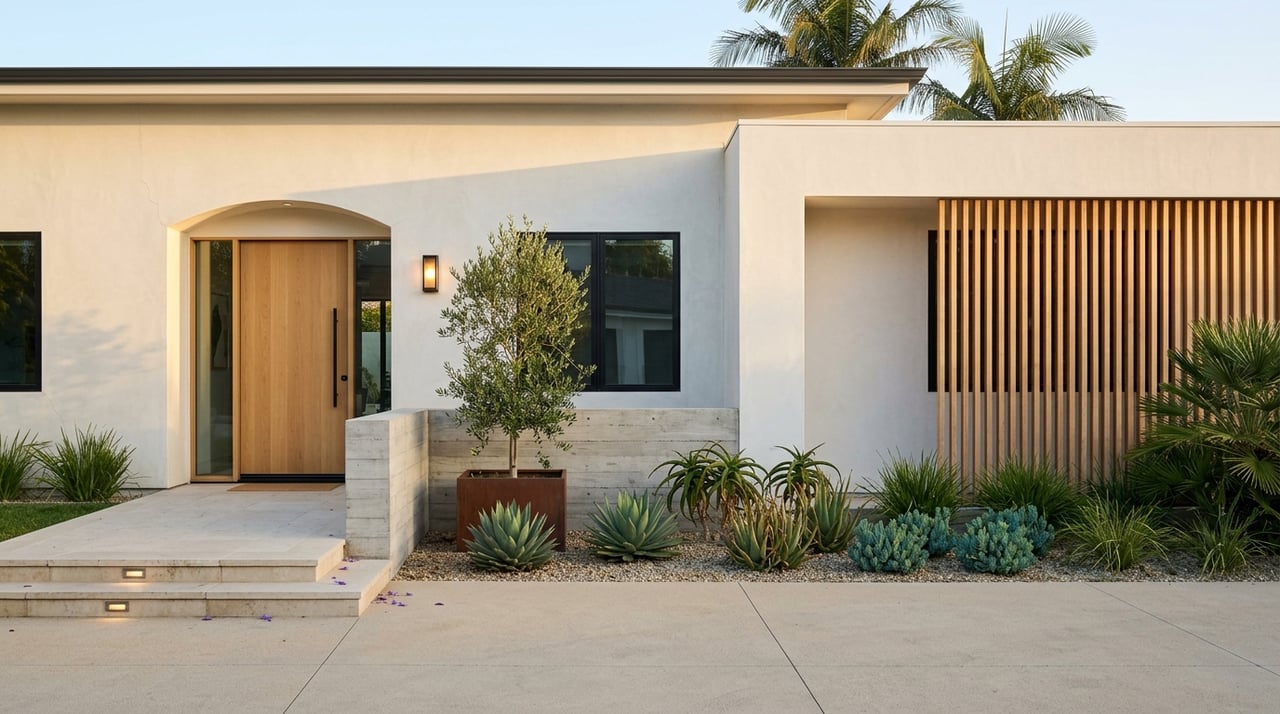
If you are weighing a newer home against a fixer in Costa Mesa, you are not alone. In a market where owner-occupied homes have an estimated median value of $1,115,100 and much of the housing stock was built decades ago, the choice often comes down to one big question: do you want a cleaner slate or a better-located opportunity? This guide will help you compare new construction and renovation in Costa Mesa so you can make a decision that fits your budget, timeline, and long-term goals. Let’s dive in.
Costa Mesa Housing Sets the Stage
Costa Mesa is a compact 16-square-mile city with a relatively older housing stock. According to the city’s housing and planning documents, the largest share of homes dates to the 1960s and 1970s, and nearly 30,000 units were built before 1980.
That matters because many buyers are not choosing between two similar homes. Instead, you may be comparing an older property with renovation potential against a rarer rebuilt or infill home that already reflects current standards. In a high-cost market, that tradeoff can shape everything from your budget to your move-in timeline.
When New Construction Makes More Sense
New construction usually fits best if you want more predictability and fewer unknowns. You are starting with current systems, current materials, and a home built to today’s code baseline rather than trying to work around aging plumbing, electrical, or structural conditions.
California’s 2025 Energy Code took effect on January 1, 2026, and it applies to new buildings as well as major renovations, additions, and alterations. For buyers, that means a newly built home begins at the current performance standard from day one.
In practical terms, new construction often appeals to you if you want:
- Fewer hidden-condition surprises
- Current code and energy performance
- Less need for phased updates after move-in
- A more turnkey ownership experience
New Construction Still Has Local Rules
Even with a brand-new build, Costa Mesa does not take a one-size-fits-all approach. The city’s residential design guidelines say new residential construction should be compatible with existing buildings and preserve the character and scale of established neighborhoods.
For some projects, especially where the design departs from those standards, Minor Design Review may come into play. The city also has specific massing expectations for two-story homes, so a rebuild or new infill project may involve more than just choosing a floor plan.
What the New Construction Process Looks Like
Larger residential projects in Costa Mesa usually require plan check, and the city uses the TESSA portal for that process. Standard plan review can take 5 to 30 working days, while accelerated review is available for certain residential projects and can take 5 to 10 working days.
That does not mean every project follows the exact same path, but it does mean timeline planning matters. If you are considering a teardown, rebuild, or major new residential project, understanding the permit path early can help you avoid unrealistic expectations.
When Renovation Makes More Sense
Renovation often makes the most sense if the location is the real prize. You may love the lot, the street, the existing footprint, or the feel of an established part of Costa Mesa and decide that improving the home is worth the extra effort.
This path can also work well if you are comfortable updating the property in stages. Instead of paying the premium that often comes with a newer home, you may choose to improve key systems, rework the layout, or expand over time.
Renovation Comes With More Moving Parts
Costa Mesa generally requires building permits for construction, additions, alterations, retaining walls, re-roofing, and most electrical, plumbing, and mechanical work. Larger projects usually require plan check as well.
That means a renovation is rarely just about finishes. Once you move beyond cosmetic updates, you may need to think through permitting, review time, and how the scope of work affects cost and schedule.
Design Rules Can Shape Your Remodel
Local design rules can influence what is realistic, especially for second-story additions or major exterior changes. Costa Mesa expects two-story projects to include articulated elevations and avoid boxy massing.
The city also requires second-story side setbacks that average 10 feet and are no closer than 5 feet in many cases. If a project does not comply, it may require Minor Design Review and neighborhood notice. For you, that means your dream layout may need to be adjusted to fit city standards.
Older Homes May Carry Extra Risk
One of the biggest renovation questions in Costa Mesa is the age of the home. The city’s Consolidated Plan notes that homes built more than 40 years ago may require significant maintenance or even extensive rehabilitation.
If the home was built before 1978, there is another important factor. HUD and the EPA note that those homes are more likely to contain lead-based paint, and paid work that disturbs paint generally must be performed using lead-safe practices by certified firms. This does not make renovation a bad idea, but it does raise the importance of early diligence.
ADUs Add Another Layer to the Decision
If your renovation plan includes an accessory dwelling unit or junior accessory dwelling unit, Costa Mesa does allow them in residential districts. That can make renovation more appealing if you are planning for multigenerational living or long-term rental flexibility.
Still, the city’s rules are specific. ADUs and JADUs cannot be rented for fewer than 31 days, and the ordinance includes a 150-square-foot minimum, optional parking, and objective design standards. If your strategy depends on short-term rental income, that local rule is important to know upfront.
A Simple Way to Decide
If you are feeling torn, it helps to simplify the choice. In Costa Mesa, the decision usually comes down to how much certainty you want versus how much flexibility you are willing to take on.
Here is a practical framework:
Choose New Construction If You Want Predictability
New construction may be the better fit if you value:
- Current-code performance from the start
- Fewer hidden-condition risks
- A more straightforward ownership experience
- Less interest in managing a phased project
Choose Renovation If You Want Location Flexibility
Renovation may be the better fit if you value:
- A specific lot or established area of Costa Mesa
- The chance to preserve an existing home’s character
- Flexibility to improve the property over time
- Potential long-term upside tied to thoughtful updates
Choose an ADU-Centered Plan If Your Goals Are Long Term
An ADU-focused renovation may make sense if you want:
- Space for multigenerational living
- Added function on an existing property
- Long-term rental flexibility within city rules
Why Local Guidance Matters
In Costa Mesa, the right choice is not just about the home itself. It is also about the permit path, design standards, review timeline, and how those factors affect your overall cost and end value.
That is where local, developer-aware guidance can make a real difference. Whether you are buying a home with renovation upside, evaluating a newer replacement property, or looking at a lot with future potential, it helps to understand the likely review process early and compare it to the premium attached to move-in-ready inventory.
The bottom line is simple: new construction is usually the lower-uncertainty path, while renovation offers more flexibility and location control but often requires more diligence. In Costa Mesa, where older housing stock and local review standards are a real part of the equation, making the right call starts with understanding the tradeoffs before you commit.
If you are thinking through a Costa Mesa purchase, remodel strategy, or value-add opportunity, West Life Realty can help you evaluate the options with local insight and a clear, practical game plan.
FAQs
Should you buy new construction or renovate an older home in Costa Mesa?
- New construction is usually better if you want fewer unknowns and current-code performance, while renovation may be a better fit if you want a specific Costa Mesa location and are comfortable with permits, review, and possible repair risks.
Do Costa Mesa renovations usually need permits?
- Yes. Costa Mesa generally requires permits for construction, additions, alterations, retaining walls, re-roofing, and most electrical, plumbing, and mechanical work, and larger projects usually require plan check.
How long can plan review take for Costa Mesa residential projects?
- Costa Mesa says standard residential plan review can take 5 to 30 working days, and accelerated review for certain projects can take 5 to 10 working days.
What should you know about remodeling older Costa Mesa homes?
- Many Costa Mesa homes were built before 1980, and the city notes that homes over 40 years old may need significant maintenance or extensive rehabilitation. Homes built before 1978 may also involve lead-safe work requirements if paint will be disturbed.
Can you add an ADU in Costa Mesa during a renovation?
- Yes. Costa Mesa allows ADUs and JADUs in residential districts, but they are limited to long-term use and cannot be rented for fewer than 31 days.
Do Costa Mesa design rules affect second-story additions?
- Yes. Costa Mesa has specific design expectations for two-story projects, including articulated elevations, limits on boxy massing, and second-story side setback standards that may trigger additional review if a project does not comply.