Two ocean-view homes can sit on the same street in San Clemente and still be hundreds of thousands of dollars apart. If you have ever wondered why one flies off the market while another lingers, you are not alone. Pricing along this stretch of coast is about more than square footage. It is about what you see, how you live with it, and how secure that experience is over time. In this guide, you will learn the key drivers behind ocean-view premiums in San Clemente and how to evaluate them like a pro. Let’s dive in.
What really drives value
San Clemente is a high-value coastal micro-market where medians typically land in the low to mid seven figures, with stronger premiums for whitewater and pier views. Yet “view” is not a single feature. Appraisers and buyers put weight on scope, orientation, stability, elevation, and how well the home’s design captures the view. Getting these details right helps you price, negotiate, and invest with confidence.
View quality: scope and type
Not all views are equal. Direct whitewater or shoreline views rank highest, broad panoramic ocean and coastline vistas follow, and partial or peekaboo views trade at smaller premiums. Academic studies confirm there is no universal percentage uplift because local supply, distance to water, and extent of visible water all matter. In short, bigger and clearer views tend to command larger premiums, but the exact number depends on local comps and cycle timing. See the variability highlighted in a long-running analysis of water-view pricing in different markets in the summary of hedonic research on view premiums at this review of water-view valuation variability.
Orientation and daylight
West and northwest exposures are prized for sunsets and longer coastline sightlines. They also change how you live in the home each day. Orientation affects glare and afternoon heat, which can drive decisions about window films, shading, and glass selection. When you compare two listings, ask how many rooms actually capture the best light and whether outdoor spaces face the view.
View stability: can you keep it?
A great view is worth more when it is likely to remain. In practice, that means understanding what can be built in front of you and what the local coastal rules allow. San Clemente’s certified Local Coastal Program uses setbacks and “stringline” policies to guide bluff development, which can both protect certain corridors and limit what owners can change. These policies also add permit complexity for bluff properties. You can review how setbacks and coastal permits shape development in the city’s coastal planning materials and staff reports in the California Coastal Commission report on San Clemente’s LCP implementation.
Elevation and topography
Beachfront and bluff-edge
Blufftop and beachfront properties deliver the most dramatic experience and the strongest scarcity factor. They also come with geotechnical diligence, potential Coastal Development Permit needs, and insurance considerations. That combination of limited supply and added complexity often keeps prices high while extending timelines for certain improvements. The stringline and setback policies in San Clemente’s coastal documents explain why these parcels are both coveted and tightly managed, as outlined in the LCP staff report.
Ridge and hilltop
Homes on ridges and hilltops can deliver sweeping, long-range ocean views and more private yards at a better price-per-square-foot than walk-to-sand locations. The tradeoff is drive time to the beach and downtown. Buyer preferences split here. Some pay up for walkability. Others prioritize panoramic privacy and space. For a neighborhood-level look at how these tradeoffs play out, review a local guide that compares Pier Bowl, Talega, and other view pockets in this comparison of San Clemente’s ocean-view neighborhoods.
Rules and risks that affect price
Permits, stringlines, and entitlement friction
If a home sits within San Clemente’s coastal zone, certain projects may trigger a Coastal Development Permit. Bluff-adjacent properties often require up-to-date geotechnical work before significant changes. This “friction” does two things. It limits supply in the most coveted areas and introduces time and uncertainty for major repairs or additions, both of which influence price and days on market. You can see how these rules are applied in the Coastal Commission’s report on San Clemente’s coastal permitting and setbacks.
Coastal hazards and insurance
San Clemente has completed a Sea-Level Rise Vulnerability Assessment and a Coastal Resiliency Plan that note potential impacts to beach width, infrastructure, and low-lying areas. These realities can affect both buyer demand and underwriting. If you are evaluating a property near the shore, start with the city’s planning documents and public mapping tools. The city’s assessment outlines local risks in the Sea-Level Rise Vulnerability Assessment and Resiliency Plan. For parcel-level mapping, use the NOAA Sea Level Rise Viewer and the FEMA Flood Map Service Center. Properties in coastal high-velocity wave zones can see different insurance requirements and premiums.
Outdoor living that captures value
Decks, terraces, and rooftops
Outdoor spaces sell the coastal lifestyle when they are oriented to the view and flow from main living areas. Large terraces, second-floor balconies, and roof decks can be major value drivers. In the coastal zone, height limits and design review shape what is possible, so verify feasibility before you count on a rooftop deck to move value. San Clemente’s planning forms and standards outline constraints that may apply to rooftop features, as summarized in the city’s design and development reference material.
Upgrades that pay off
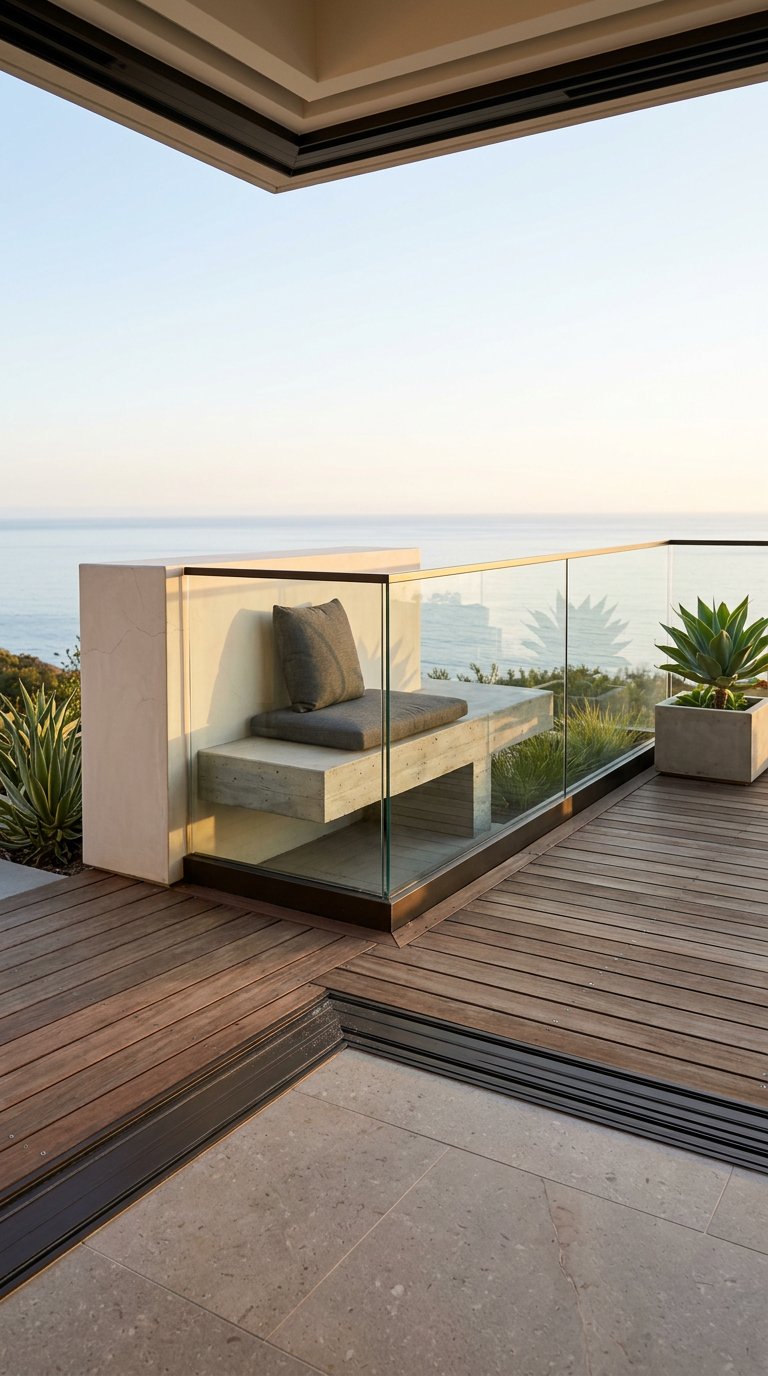
Glass railings that keep sightlines open, large sliding or folding doors, and covered dining spaces extend living areas toward the horizon. Inside, modest updates to kitchens, baths, and window or door systems often recapture more on resale than ultra-custom features. Market studies consistently find midrange improvements tend to yield stronger ROI in higher-priced markets because they align with neighborhood ceilings. For a data-informed perspective on which projects typically recoup the most, review this summary of renovation returns in the remodeling ROI analysis.
Interiors that sell the view
Floor plan focus
The rooms that face the ocean matter more than raw square footage. An open living and kitchen area with the view, paired with a primary suite that frames the water, will usually beat an extra bedroom without a sightline. This aligns with both buyer behavior and appraisal practice, which emphasize the functional utility of the rooms that capture the view. For broader evidence on how view utility influences price, see the overview of view premiums in the water-view valuation literature.
Proximity, walkability, and lifestyle tradeoffs
Walk-to-pier or downtown cottages in the Pier Bowl often command higher prices per square foot because of convenience and energy. Bluff and ridge homes command premiums for land, privacy, and panoramic views, but they can cost more to maintain and may add drive time. Neither is universally “better.” Your best move depends on how you actually plan to use the home and which tradeoffs fit your budget. For quick orientation by submarket, consult this comparison of San Clemente’s ocean-view neighborhoods.
A simple scoring framework
Use this 10-point framework to compare ocean-view listings. Score each item from 0 to 5 and weigh the first five the most: view scope, view stability, elevation/topography, hazards and permits, indoor-outdoor design.
- View quality and scope. Is it whitewater, pier, panoramic, or peekaboo, and from which main rooms? Reference valuation principles from the water-view premium research.
- Orientation and daylight. Does it capture sunsets and desirable light, and how does glare or heat affect usability?
- Elevation and access. Bluff, ridge, or beach level, and what are the walkability and parking realities?
- View stability. Are there potential build sites in front, recorded easements, or HOA rules that protect or threaten the view? Review local coastal rules in the LCP staff report.
- Permits, geotech, and CDP history. Especially on bluffs, request geotechnical reports and check for Coastal Development Permits or waivers in city files.
- Insurance and flood risk. Verify FEMA zones and elevation certificates and obtain quotes early using the FEMA Flood Map Service Center.
- Outdoor living. Decks, terraces, roof features, and privacy from public activity. Confirm feasibility against city standards in the design and development reference.
- Interior orientation. Which rooms frame the ocean and how well do door and window systems support the view?
- Quality of improvements. Favor well-executed, broadly appealing updates with reliable resale recapture, as seen in the remodeling ROI analysis.
- Comparable sales and timing. Compare like for like. Whitewater to whitewater. Bluff to bluff. Ridge to ridge. Track days on market for true view comps.
Seller and buyer playbook
- For sellers. Document the view at multiple times of day, stage outdoor rooms, and highlight which primary rooms capture the water. If applicable, prepare geotechnical summaries, elevation certificates, and any coastal permit records. Buyers want to know how private and durable the view is and what the rules allow.
- For buyers. Request written confirmation of permit status, geotech details for bluff adjacency, and current hazard insurance quotes. If you plan to rent, note that San Clemente requires a Short-Term Lodging Unit license with defined conditions. Review the city’s requirements in the Short-Term Lodging Unit operating rules before you underwrite potential income.
Ready to compare two ocean-view homes with clarity? We can help you weigh view scope, stability, and design against coastal rules and risk so you do not overpay or overbuild. For personalized advice and on-the-ground insight, connect with Kenzie Mckinnon for a calm, data-informed plan that fits your goals.
FAQs
How much do ocean views add to price in San Clemente?
- There is no fixed percentage. Premiums vary widely by view type, scope, and local supply, which is why you should compare closed comps for the same view category, as shown in the water-view valuation literature.
Are bluff-front homes too risky because of erosion and insurance?
- Not necessarily. They remain valuable due to scarcity, but buyers should review geotechnical reports, confirm permit history, and check local sea-level and flood projections in the city’s Sea-Level Rise Vulnerability Assessment.
What is a “stringline” and why does it matter?
- A stringline is a coastal planning tool that helps set how far structures must sit from a bluff edge. It limits where new construction can go, shaping supply and protecting coastal resources, as detailed in the LCP staff report.
How can I check flood and sea-level exposure for a property?
- Start with the NOAA Sea Level Rise Viewer and the FEMA Flood Map Service Center for public, parcel-level context, then request elevation certificates and insurance quotes.
Do rooftop decks always add value in San Clemente?
- They can, but feasibility depends on height limits and design review in the coastal zone. Check city standards and discuss with a local planner using the city’s design and development reference.
Can I legally protect my view from future blockage?
- Private view protection typically requires a recorded easement or CC&R. Municipal view corridors exist for public benefit, but owners should not assume a general right to a view without a recorded instrument.