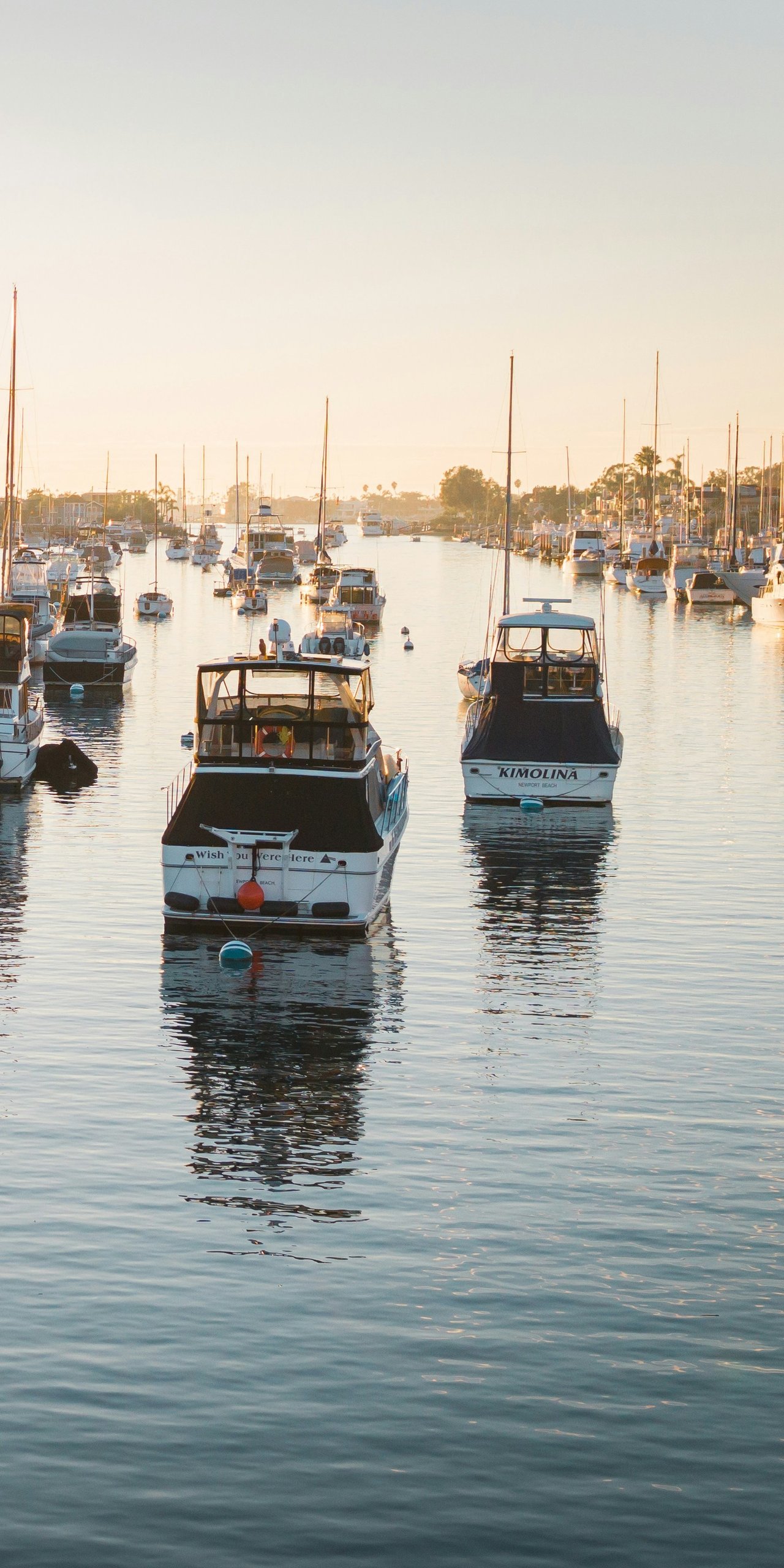
A buyer under contract on a home above the tracks in Southwest San Clemente right now is probably not waiting on the seller. They're waiting on a structural engineer. Lenders financing bluff-adjacent property in this city have started asking for updated geological sign-off before they'll clear a loan to close, and that review can add real weeks to an escrow that would otherwise take thirty days. Meanwhile, the listing they're under contract on has backup offers stacked behind it. That combination, a financing bottleneck sitting on top of a seller's market, is the part of this story that the erosion headlines miss.
The Line Is Down Again, and Nobody Has a Reopening Date
As of mid-September 2026, the coastal rail line through San Clemente is closed indefinitely. High surf from the outer bands of Hurricane Marie hit over Labor Day weekend, and the Orange County Transportation Authority had originally hoped to reopen the tracks by Friday. Crews found additional damage Monday night beyond what they'd already repaired, and the closure has held since. Metrolink service now terminates at Laguna Niguel/Mission Viejo, and Amtrak is running buses between Irvine and Oceanside to bridge the gap.
This is not a new problem for the city, and it is not a small one. OCTA has confirmed this is the fifth time in three years that passenger rail service through San Clemente has been forced to stop because of eroding bluffs pressing toward the track. Add the outages together since 2021 and they total close to a full year of lost service. In places, the rail bed sits within 200 feet of the water. The agency's usual fix, adding boulders known as riprap to stabilize the slope, has a side effect that San Clemente officials are now actively trying to avoid: it can accelerate the loss of the sand that would otherwise buffer the coast naturally.
OCTA is further along than "wait and see." In August 2026, its board reviewed a draft feasibility report from the agency's Coastal Rail Resiliency Study, which is looking at how to protect roughly seven miles of corridor through Dana Point and San Clemente for the next 30 years. That is a serious, funded planning effort, not a press release. It tells you the agency expects this stretch of track to remain a recurring maintenance problem for years, not a one-time event to be patched and forgotten.
What the Local Data Actually Shows
Here is where the story stops matching the headline. In the three months ending August 2026, San Clemente's median sale price stood at $1.8 million, up 6.6 percent from the same period a year earlier. Homes sold in an average of 32 days, and 194 homes closed in August 2026, up from 169 the year before. That is not a market absorbing a discount for coastal risk. It is a market moving faster than it was twelve months ago.
Break the city into its submarkets and the pattern holds even where you'd expect it to break. Southwest San Clemente, the district that includes the Riviera area and streets like Paseo de Cristobal closest to the actively monitored bluff edge, along with Talega further inland, are running under two months of supply. That is deep seller's market territory by any conventional read. Forster Ranch and Southeast San Clemente, both farther from the coastal bluff, are sitting closer to three to four months of supply, giving buyers there noticeably more room to negotiate.
In other words, the neighborhoods closest to the rail closures and the eroding bluffs are not the ones with soft demand. They're the tightest submarkets in the city.
The erosion risk hasn't disappeared from the transaction. It has moved. Instead of showing up as a lower sale price, it shows up as a longer path to close: a required geotechnical letter, a lender asking for a structural engineer's clearance, an insurance carrier that wants a fresh survey before it will bind a policy at the bluff edge.
That is the mechanism worth understanding before you write an offer in this part of the city. Scarcity of bluff-adjacent inventory, not risk tolerance, is setting the price. The risk is still real, and it still costs something, but it costs time and paperwork rather than dollars off the top.
How the Submarkets Actually Compare
| Submarket | Approx. months of supply | Position relative to bluff/rail | What buyers typically encounter |
|---|---|---|---|
| Southwest San Clemente | Under 2 | Closest, includes Riviera District streets like Paseo de Cristobal | Multiple offers common; lenders may request updated geotechnical or structural review before clearing to close |
| Talega | Under 2 | Inland, away from coastal bluff | Tight competition driven by inventory scarcity rather than coastal exposure |
| Forster Ranch | 3 to 4 | Set back from the coast | More negotiating room; fewer coastal-specific underwriting conditions |
| Southeast San Clemente | 3 to 4 | Set back from the coast | Similar to Forster Ranch; buyers see more inventory choice |
Gated communities like Cyprus Shore and Cyprus Cove sit inside this picture too, with some engineered slope protection in place, though proximity to open bluff still factors into how carriers and lenders treat individual addresses. Every property here gets evaluated on its own geology and its own geotechnical history, not on a neighborhood-wide label.
The November Vote That Could Change the Math
The forward-looking variable buyers and sellers in bluff-adjacent San Clemente should be tracking is on the ballot this fall. Voters will decide on November 3, 2026 whether to approve the San Clemente Natural Hazards Protection and Resilience Act, a citizen initiative led by resident Cameron Cosgrove that would raise the city's sales tax by one percentage point, from 7.75 to 8.75 percent, for ten years with an option to renew. Half the roughly $15 million a year it's projected to generate would go toward beach restoration, sand replenishment, and erosion control. The other half would fund wildfire prevention work east of the I-5.
This isn't the city's first attempt. A narrower, city-sponsored measure called Measure BB went to voters in 2024 and needed a 66.7 percent supermajority to pass because its funding was earmarked specifically for beach projects. It got 64.62 percent yes votes and failed by a margin that must have stung anyone who worked on it. This year's version is structured as a general citizen initiative, which means it only needs a simple majority, more than 50 percent, to pass.
If it passes, San Clemente gains a dedicated, ongoing funding source for the kind of sand placement and erosion control work that directly affects the long-term durability of bluff-adjacent property, and by extension the confidence of lenders and insurers writing policies there. If it fails again, the city is back to relying on federal partnerships, like its existing work with the U.S. Army Corps of Engineers to bring roughly two million cubic yards of sand to San Clemente over the next five decades, and periodic emergency funding when the tracks wash out again.
Either outcome is a fact worth knowing before you write an offer or price a listing in this part of the city, not a reason to wait on a decision that's months away and outside anyone's control.
Reading the Bluff Premium Correctly
None of this means bluff-adjacent San Clemente is a bad place to buy or sell. It means the premium buyers pay for a Riviera District view or a Cyprus Shore address is being underwritten differently than it was five years ago. The property itself hasn't gotten riskier overnight. The process of financing and insuring it has gotten more deliberate, and that process now takes longer than it used to.
For sellers, that means pricing to reflect genuine demand while building extra time into your expected close date if your buyer needs financing. For buyers, it means asking for the seller's existing geotechnical reports early, getting your lender's specific requirements in writing before you remove contingencies, and treating the escrow timeline as a negotiable term rather than a fixed one. A tight submarket with real financing friction still rewards preparation over speed.
Frequently Asked Questions
Does a home's distance from the rail line affect its insurability? Insurance carriers increasingly ask for updated geological surveys on bluff-edge properties, and premiums can run higher the closer a home sits to an actively monitored slope. Some carriers decline coverage outright if a property crosses their internal risk threshold, which is why an early conversation with an insurer matters as much as an early conversation with a lender.
Will the November ballot measure affect current listings if it passes? Not immediately. The initiative funds future restoration and erosion-control work rather than an existing project already scoping specific parcels. What it does is give the city a dedicated revenue stream to plan around, which is the kind of long-horizon signal that lenders and insurers pay attention to over time.
Bluff-top San Clemente rewards buyers and sellers who understand the difference between a risk that shows up in the price and a risk that shows up in the paperwork. If you're weighing a purchase or a sale in this part of the city and want a clear read on what a specific address is likely to face in escrow, West Life Realty can walk you through it, starting with a look at where your property actually stands. Get Your Instant Home Valuation to start that conversation.