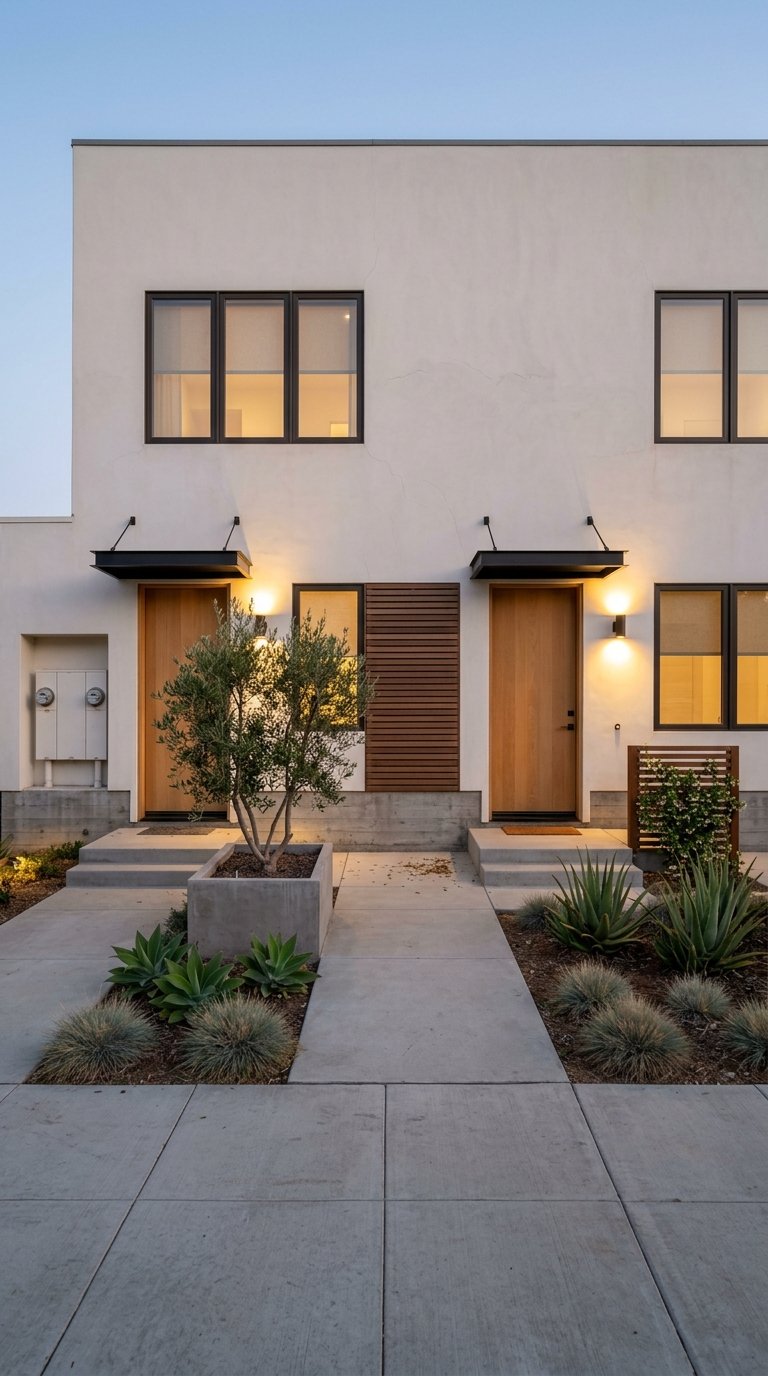
Buying a duplex in Los Angeles can look simple on paper: live in one unit, rent the other, and build long-term equity. In reality, the right purchase depends on much more than price, layout, or projected rent. If you are thinking about a duplex in LA, you need to understand legal unit status, tenant rules, renovation limits, and carrying costs before you write an offer. Let’s dive in.
Start With Legal Status
Before you evaluate income potential, confirm that the property is actually a legal duplex. In Los Angeles, that starts with jurisdiction, zoning, and permit history.
Confirm the property is in Los Angeles
Your first step is to verify whether the property is within the City of Los Angeles. According to LADBS online building records guidance, buyers should use ZIMAS and property-record tools to confirm zoning, permits, and jurisdiction.
This matters because city rules on rent regulation, eviction, and permitting can differ from nearby cities and unincorporated county areas. If a property does not appear in ZIMAS, LADBS notes it may fall outside the City of Los Angeles and follow a different process.
Verify it is a legal two-unit property
Not every property marketed as a duplex is legally recognized as one. Los Angeles planning materials identify R2 as the first zone that permits duplex or two-family use, while R1 does not permit two-family dwelling units, according to City Planning materials.
That distinction matters for financing, insurance, resale, and renovation plans. A property may function like two units in practice but still have unresolved legal or code issues that create risk after closing.
Review permits and occupancy records
Listing remarks are not enough. LADBS states that permit and property records can help you verify what was approved, what was built, and whether there is any dispute over the number of residential units or use, as noted on its property and permit resources.
For a duplex purchase, this paper trail is essential. If the structure looks like two units but lacks the proper records, you could face compliance issues that change your budget and timeline.
Understand Tenant Rules Early
In Los Angeles, tenant protections can have a direct effect on value, flexibility, and timing. If a duplex is tenant occupied, you need to know what rules apply before you make assumptions about rent growth or move-in plans.
Check whether the property is under RSO
The Los Angeles Housing Department says rental property in the City of Los Angeles built on or before October 1, 1978 is generally covered by the Rent Stabilization Ordinance. LAHD also specifically includes duplexes, ADUs, JADUs, and two or more single-family dwelling units on the same parcel.
LAHD currently lists the annual RSO rent increase at 3%. For buyers, that means current rent and future rent growth may be more limited than expected, especially if you are underwriting a long-term hold.
Account for registration and annual fees
If a duplex is subject to the RSO, there are annual compliance costs. LAHD states that all RSO rental units must be registered annually, with a registration cost of $38.75 per unit.
LAHD also says the Systematic Code Enforcement Program fee is $67.94 per unit per year, and only 50% is recoverable from tenants over 12 months at $2.83 per month. Even if you plan to occupy one unit and rent the other, LAHD says you still need to file the required registry form to receive a certificate.
Know when JCO or AB 1482 may apply
If the duplex is not under the RSO, that does not mean there are no tenant protections. LAHD states that the Just Cause Ordinance covers most residential properties in the City of Los Angeles that are not covered by the RSO, including many newer properties.
LAHD lists the annual JCO fee at $31.05 per unit, with temporary exemptions available in some owner-occupied, vacant, or no-rent situations. At the state level, Civil Code 1947.12 limits many covered rent increases to 5% plus CPI or 10%, whichever is lower, and Civil Code 1946.2 generally requires just cause after 12 months of lawful occupancy.
Factor in tenant-occupied timing
If you plan to move into one unit or reposition the property, tenant status can shape your next steps. LAHD says owner occupancy is a no-fault eviction reason, but landlords must file the required declaration with LAHD before serving a move-out notice, and relocation assistance must be provided within 15 days of the termination notice under its relocation assistance rules.
LAHD also requires eviction notices for City of Los Angeles JCO and RSO properties to be filed within 3 business days of service. In other words, a tenant-occupied duplex is not just an income question. It is also a timing, compliance, and cash-reserve question.
Evaluate Renovation Risk
A value-add duplex can be appealing, but in Los Angeles, renovation plans need to be realistic. What looks like a straightforward remodel can turn into a much bigger compliance project.
Check whether renovations trigger habitability rules
LAHD says the Tenant Habitability Program may apply if you renovate, repair, or alter an RSO building. The program focuses on issues such as noise, utility interruption, hazardous materials, fire-safety interruption, and partial or full inaccessibility of units.
That means a remodel may involve more than construction costs. Depending on the work, you may also need to plan for tenant coordination, additional filings, and possible relocation-related expenses.
Ask about retrofit and safety work
Older Los Angeles duplexes may carry seismic or safety obligations. LAHD notes that seismic retrofit work can fall under the Tenant Habitability Program, and its RSO overview also references a seismic retrofit rent-recovery program.
If you are buying an older building, ask whether any retrofit work has already been completed or whether future work may still be needed. This can affect both your near-term budget and your long-term hold strategy.
Be realistic about ADU potential
Many buyers see a duplex and immediately think about adding value through an ADU or expansion. That can be possible, but LADBS makes clear that projects in Los Angeles must comply with local building codes and property laws, including plan review, permits, inspections, and site-specific record checks through its ADU and permitting resources.
In other words, extra square footage does not automatically mean easy upside. The real opportunity depends on what the site can legally support.
Underwrite With Local Numbers
A duplex only works if the numbers work. In Los Angeles, broad assumptions can lead to expensive mistakes.
Use local rent demand as context
Los Angeles remains a renter-heavy market. Census QuickFacts for Los Angeles shows an owner-occupied housing unit rate of 36.0% and a median gross rent of $1,933 for 2020 to 2024.
The research also notes that Zillow’s February 2026 rent report placed typical asking rent in the Los Angeles metro at $2,884, with renters spending 33.9% of median income on rent and 30.0% of rental listings offering concessions. That points to meaningful rental demand, but it also shows why you should base your numbers on current neighborhood-level rent comps instead of broad metro averages.
Include taxes and ownership costs
Your pro forma should go beyond principal, interest, taxes, and insurance. According to the California Board of Equalization, Proposition 13 limits the base property tax rate to 1% plus voter-approved bonded indebtedness, and assessments can change when ownership changes or new construction occurs.
BOE also states that a qualifying owner-occupied home may receive a $7,000 reduction in taxable value through the homeowners’ exemption. Beyond taxes, your underwriting should include insurance, repairs, vacancy, reserves, property management, and legal or accounting costs.
Questions To Answer Before You Offer
Before you submit an offer on a Los Angeles duplex, make sure you can clearly answer these questions:
- Is the property legally recognized as a duplex?
- Is it inside the City of Los Angeles, and which local rules apply?
- Are any units covered by RSO, JCO, or AB 1482?
- Are there existing tenants, and what relocation or notice rules apply?
- Are there outstanding permits, code issues, or retrofit needs?
- Does your renovation or ADU plan appear feasible based on records and zoning?
- Do the rents, fees, taxes, and reserves support your actual ownership goals?
This order matters. In Los Angeles, the smartest diligence sequence is legal unit status first, tenant rules second, renovation feasibility third, and operating economics last. That process can help you avoid a purchase that looks promising online but becomes high-friction once you get into the records.
If you are considering a duplex in Los Angeles, working with an advisor who understands both buyer strategy and investment property details can help you make a clearer decision. To talk through a specific property, connect with Kenzie Mckinnon for tailored guidance.
FAQs
What should you verify first before buying a duplex in Los Angeles?
- You should first verify that the property is in the City of Los Angeles, confirm it is legally recognized as a duplex, and review zoning, permits, and occupancy records through LADBS tools.
How do you know if a Los Angeles duplex is under rent control?
- In the City of Los Angeles, LAHD says rental property built on or before October 1, 1978 is generally covered by the Rent Stabilization Ordinance, and that can include duplexes.
What tenant rules can affect a duplex purchase in Los Angeles?
- A duplex may be subject to the RSO, the Just Cause Ordinance, or state rules such as AB 1482, all of which can affect rent increases, notices, relocation requirements, and timelines.
Why do permits matter when buying a duplex in Los Angeles?
- Permit and occupancy records help confirm whether the property was legally built or converted, which can affect financing, insurance, renovations, and resale.
Can you renovate a tenant-occupied duplex in Los Angeles?
- You may be able to, but LAHD says the Tenant Habitability Program can apply to work on RSO properties if renovations affect access, utilities, safety, or habitability.
What costs should you include when underwriting a Los Angeles duplex?
- You should include taxes, insurance, repairs, vacancy, reserves, property management, legal or accounting costs, and any LAHD registration or compliance fees that apply.